
Smarter Kitchen technologies in a modern healthy kitchen
Smart kitchen technologies are transforming modern homes across the United States, Canada, and the United Kingdom. From energy-efficient appliances to smart refrigerators, homeowners are using technology to create healthier, cleaner, and more sustainable kitchens.
Today, a modern kitchen is no longer just about cooking. It is about saving energy, reducing food waste, improving indoor air quality, and making healthier lifestyle choices.
In this guide, you will discover five powerful smart kitchen technologies that can improve your daily life while making your home more eco-friendly.
Why Smart Kitchen Technologies Matter
Smart kitchen technologies help homeowners save time, reduce electricity costs, and improve overall health. Many modern appliances are designed to use less energy while providing better convenience and performance.
Some benefits include:
- Better air quality
- Safe drinking water
- Reduced food waste
- Energy-efficient cooking
- Sustainable waste management
As energy costs continue to rise in the US, UK, and Canada, many families are investing in smart home solutions that support sustainable living.
1. Smart Refrigerators for Better Food Management
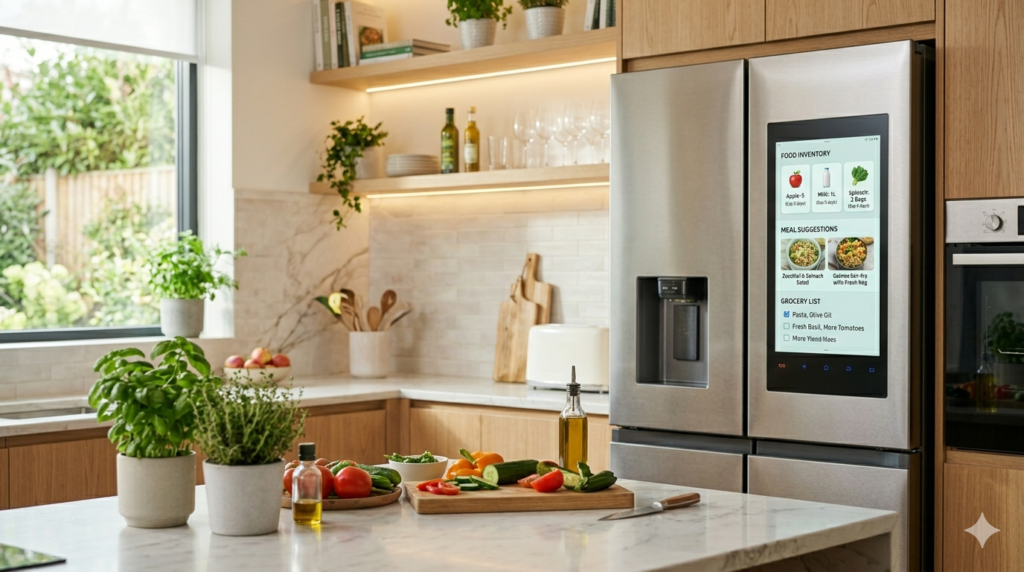
Smart refrigerator in a modern kitchen
Smart refrigerators are among the most popular smart kitchen technologies available today.
These advanced appliances can:
- Track food freshness
- Monitor expiration dates
- Reduce unnecessary grocery shopping
- Help families reduce food waste
Many smart refrigerators also include touchscreens and internal cameras that allow users to view the contents remotely using a smart phone.This makes meal planning easier and supports healthier eating habits.
2. Smart Water Filtration Systems for a cleaner Drinking water
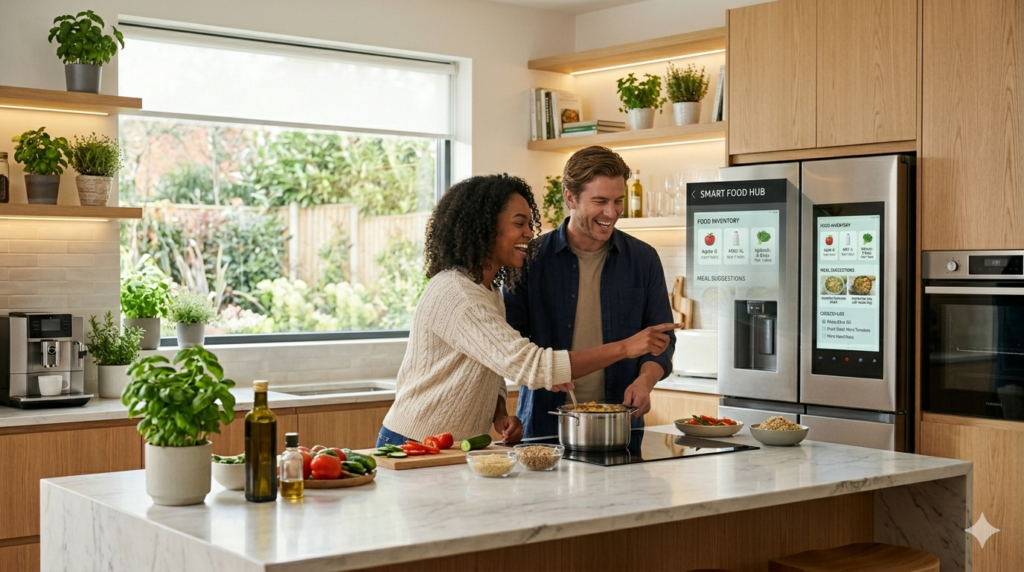
Home water filtration system in a modern kitchen
Clean drinking water is essential for every healthy kitchen.
Modern smart water filtration systems monitor water quality and notify homeowners when filters need replacement. These systems help remove harmful contaminants while improving water taste and safety.
Benefits of Smart water filtration include:
- Cleaner drinking water
- Reduced plastic bottle usage
- Better kitchen hygiene
- Improved health and wellness
Many eco-conscious homeowners now prefer filtered water systems to support healthier living and reduce environmental waste.
3. Energy-Efficient Smart Ovens
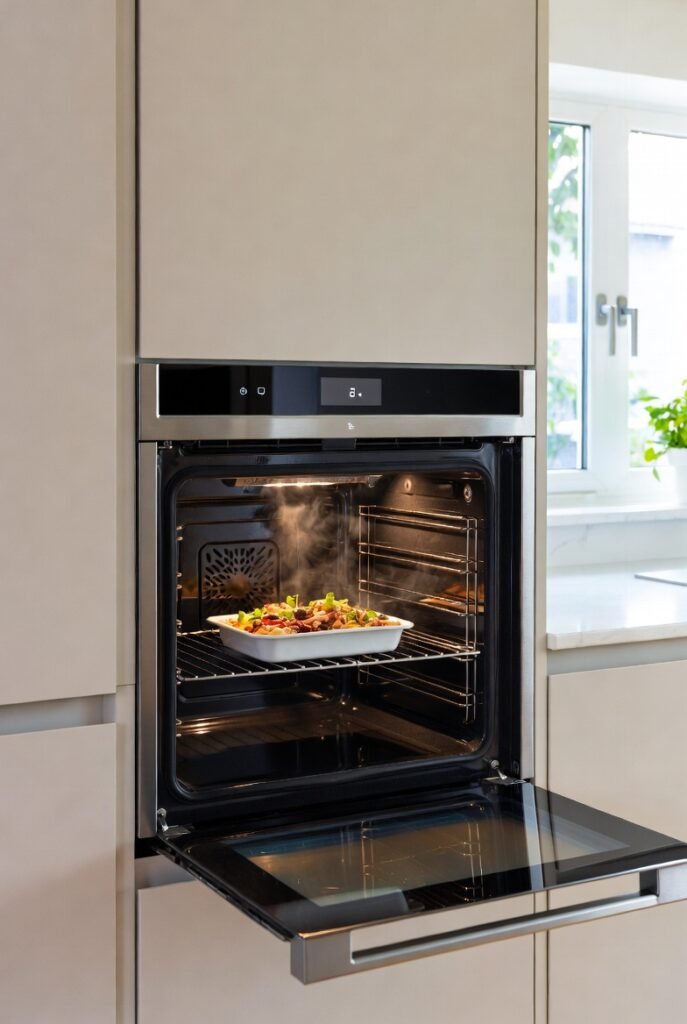
Energy-Efficient Smart Oven in a luxury home
Smart ovens are becoming increasingly popular in modern homes because they offer convenience and energy savings.
These smart kitchen technologies allow homeowners to:
- Control cooking remotely
- Reduce electricity consumption
- Use precise temperature settings
- Prepare healthier meals
Energy-efficient cooking appliances are especially valuable for families looking to lower monthly utility bills.
4. Smart Air Purifiers for Healthier Indoor Air
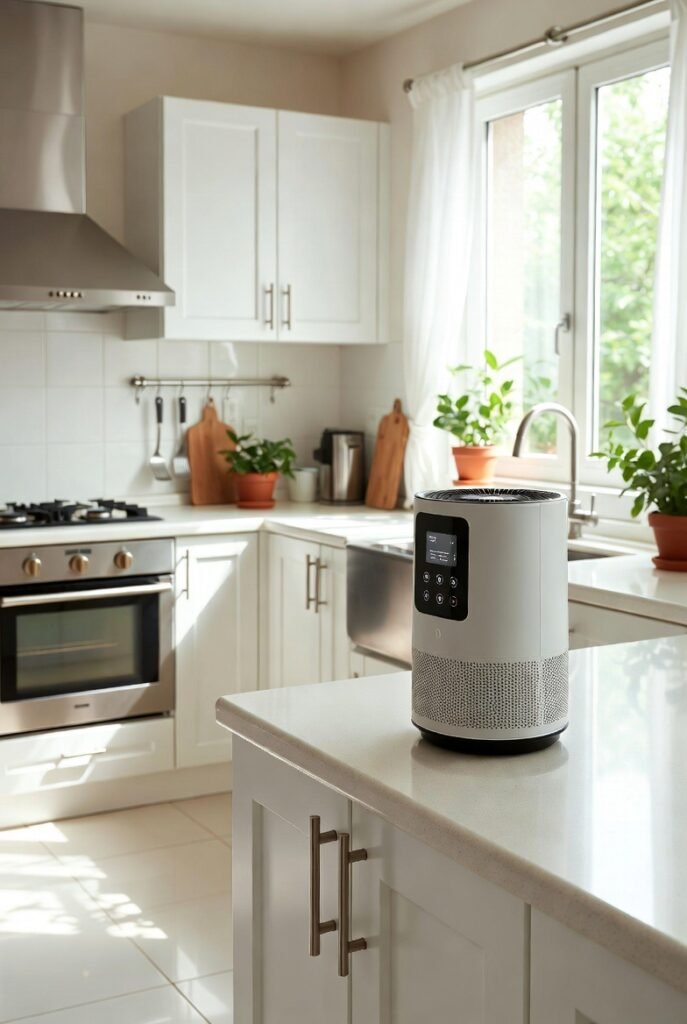
Smart air purifier improving kitchen air quality
Cooking can release smoke, grease particles, and airborne pollutants into the kitchen.
Smart air purifiers help improve indoor air quality by automatically detecting and removing harmful particles.
These systems help create a cleaner and healthier home environment, especially for families with allergies or respiratory concerns.
Benefits include:
- Cleaner indoor air
- Reduced cooking odors
- Improved respiratory comfort
- Better overall kitchen environment
Modern smart air purifiers are compact, quiet, and energy efficient.
5. Smart Waste Management Systems for Sustainable Living
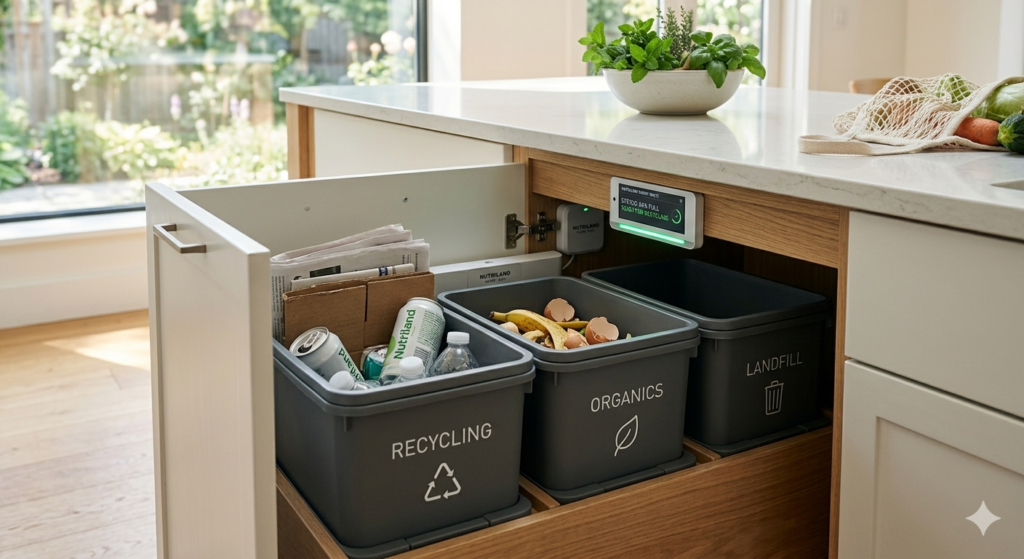
Smart recycling and waste management system in kitchen
Sustainability starts with proper waste management.
Smart waste systems help households sort recyclable materials more efficiently and reduce overall waste production.
These smart kitchen technologies support environmentally friendly living by encouraging better recycling habits and reducing landfill waste.
Features may include:
- Automatic waste separation
- Smart recycling reminders
- Odor control technology
- Eco-friendly waste tracking
Many modern kitchens now include built-in recycling systems designed for sustainable living
How Smart Kitchen Technologies Support Sustainable Living
Smart kitchen technologies do more than improve convenience. They also help homeowners create environmentally responsible homes.
Using energy-efficient appliances and sustainable kitchen solutions can help reduce carbon emissions, lower electricity usage, and support healthier lifestyles.
This is one reason why smart home upgrades continue to grow in popularity across North America and Europe.
Tips for Choosing the Best Smart Kitchen Technologies
Before buying smart kitchen appliances consider the following:
Compatibility
Ensure devices work with your existing smart home system.
Energy Efficiency
Choose products designed to reduce electricity and water usage
Ease of Use
Look for user-friendly controls and mobile apps.
Long-Term Value
Invest in products that provide durability and long-time savings.
Final Thoughts
Smart kitchen technologies are changing the way people cook, eat, and live.
From smart refrigerators to advanced water filtration systems, these innovations help create healthier, cleaner, and more sustainable homes.
Whether you want to save energy, improve indoor air quality, or reduce waste, smart kitchen technologies can help you build a better lifestyle for the future.
As more homeowners embrace sustainable living, smart kitchens will continue to play an important role in modern homes worldwide.
Frequently Asked Questions
What are smart kitchen technologies?
Smart kitchen technologies are modern appliances and devices that improve convenience, energy efficiency, and sustainability in the kitchen.
Are smart kitchen appliances energy efficient? check out our post on Evolution of Sustainable Living for more insights
Yes. Many smart kitchen appliances are designed to reduce electricity and water usage while improving performance.
Do smart kitchens help reduce waste?
Yes. Smart refrigerators, recycling systems, and water filtration technologies can help reduce food waste and environmental impact.
Learn more about energy-efficient appliances from: ENERGY STAR